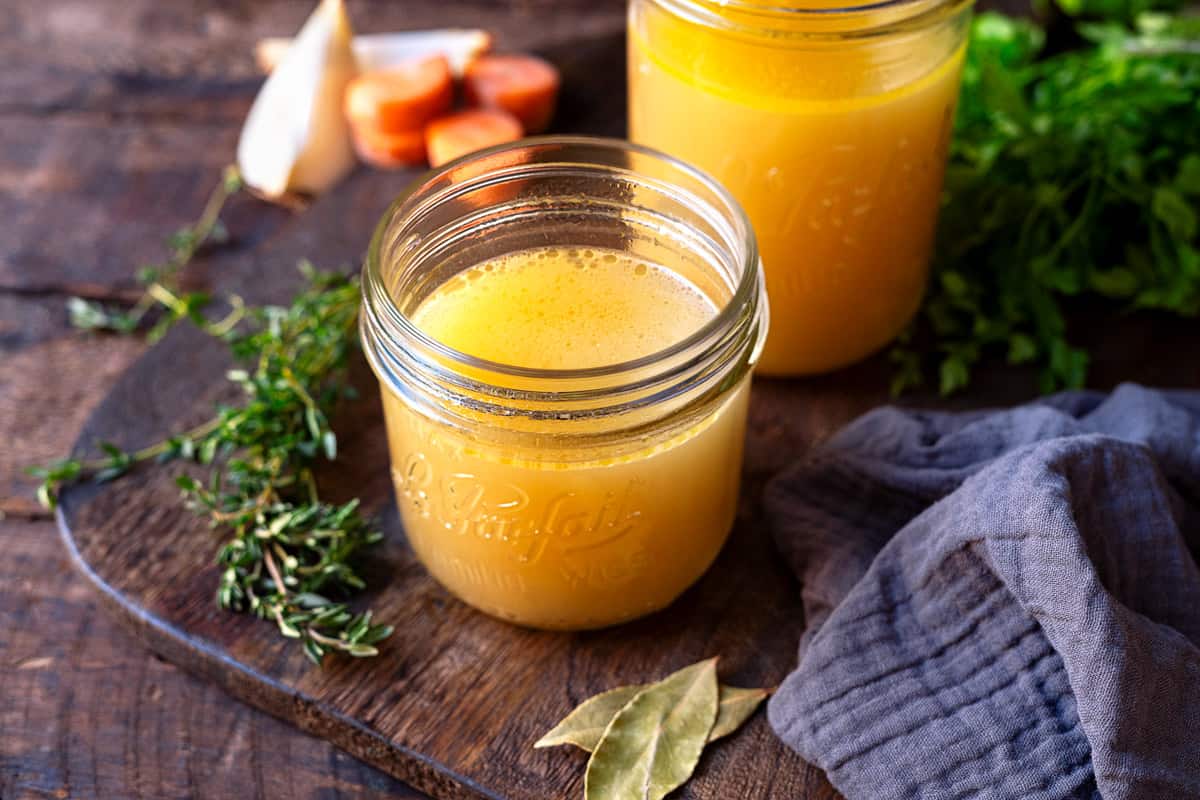
Imagine a kitchen filled with the comforting aroma of slowly simmering ingredients, a golden elixir bubbling gently on your stovetop, promising depth and richness to every dish it touches. This isn't a fantasy; it's the simple magic of homemade chicken stock. While store-bought options are readily available, once you experience the unparalleled flavor and numerous benefits of making your own, you'll understand why this culinary staple is truly liquid gold. Learning how to make chicken stock from scratch is not only easy and economical but also an incredibly rewarding endeavor that will transform your everyday cooking.
Why Go Homemade? The Unbeatable Benefits of DIY Chicken Stock
The decision to make your own chicken stock might seem like an extra step, but the advantages far outweigh the minimal effort involved. Here’s why homemade reigns supreme:
- Superior Flavor and Richness: This is the most compelling reason. Store-bought stocks often contain added sodium, preservatives, and artificial flavors that can detract from the natural essence of chicken. Homemade stock, by contrast, offers a clean, pure, and intensely savory flavor that no carton can replicate. Its natural gelatin content provides a luscious mouthfeel and body that elevates soups, sauces, and gravies to new heights.
- Cost-Effective and Thrifty: Learning how to make chicken stock is an excellent way to minimize food waste and maximize your grocery budget. Instead of discarding chicken carcasses from a roast chicken dinner, or bones and trimmings from cutting up whole chicken parts, you give them a second life. You can also save vegetable scraps (onion peels, carrot ends, celery leaves) that would otherwise go into the compost, turning them into a flavorful foundation for your stock. This ingenious method truly helps you get the most out of every ingredient, making it a sustainable choice for the conscious cook.
- Control Over Ingredients: When you make stock at home, you dictate exactly what goes into it. This is invaluable for those with dietary restrictions or who prefer to avoid excessive sodium, gluten, or other additives often found in commercial products. You can customize the seasoning to your taste, ensuring a healthy and delicious base for your meals.
- Aromatic Experience: The process itself is a treat for the senses. As the ingredients slowly simmer, your kitchen will fill with an inviting, savory aroma that is both comforting and appetizing. It’s an experience that truly signifies home cooking at its best.
Mastering the Craft: How to Make Chicken Stock from Scratch
Ready to embark on this culinary journey? This step-by-step guide will walk you through the process, ensuring a clear, flavorful, and versatile homemade chicken stock.
Ingredients for Your Flavorful Foundation
This recipe yields approximately 2 quarts of rich, homemade chicken stock. Remember, these are guidelines – feel free to adjust to your preference!
- 2 pounds chicken parts: This can include backs, necks, wings, bones, and even leftover carcasses from a roasted chicken. A mix often yields the best flavor.
- 2 medium onions: Quartered or roughly chopped. No need for precision, as they will be strained out.
- 2 medium carrots: Peeled, trimmed, and cut into large chunks.
- 2 stalks celery: Washed thoroughly, cut into large chunks (leaves and all for extra flavor!).
- 15 whole black peppercorns (optional): For a subtle peppery warmth.
- 1 bay leaf (optional): Adds an aromatic, slightly floral note.
- Cold water: Enough to cover all ingredients in the pot.
Pro Tip: For an even more complex flavor profile, consider adding a few sprigs of fresh parsley or thyme, or a couple of cloves of garlic (unpeeled is fine!) during the simmering process.
Step-by-Step Guide to Perfect Chicken Stock
Learning how to make chicken stock is incredibly forgiving, allowing for some flexibility. Follow these steps for best results:
- Prepare the Chicken (Optional Roasting for Deeper Flavor): Place your raw chicken parts in a large stockpot. For a stock with a richer color and more profound, nutty flavor, we highly recommend roasting the chicken pieces first. Spread them on a baking sheet and roast at 400°F (200°C) for 20-30 minutes, or until nicely browned. This crucial step develops complex flavors through the Maillard reaction, which is a game-changer for your stock. Transfer the roasted chicken and any pan drippings to your stockpot.
- Add Your Aromatics: Roughly chop your onions, carrots, and celery. Don't worry about aesthetics; their job is purely to impart flavor. Add these vegetables to the pot with the chicken. If using, toss in the whole black peppercorns and bay leaf.
- Cover with Cold Water and Begin Simmering: Pour enough cold water over all the ingredients to cover them by at least an inch or two. Starting with cold water is important as it allows the impurities to rise to the surface more gradually, making them easier to skim off. Bring the water to a near-boil over medium-high heat. As soon as you see bubbles forming and steam rising, immediately reduce the heat to the lowest setting. The goal is a gentle, low simmer – not a rolling boil.
- Skim and Simmer: Let the stock gently simmer for at least 2 hours. For the first 30-60 minutes, keep a close eye on it. As the stock heats, impurities will rise to the surface as a grayish foam. Use a ladle or a large, shallow spoon to carefully skim off and discard this foam. This step is essential for achieving a clear, golden stock rather than a cloudy one. Continue to skim periodically as needed.
- Strain and Discard Solids: After 2 hours (you can simmer longer, up to 4-6 hours, for an even deeper flavor, though be mindful of evaporation), turn off the heat. Carefully remove the large chicken pieces and vegetables with tongs or a slotted spoon. All their flavor has been extracted into the liquid, so you can discard them. Place a fine-mesh colander or a regular colander lined with cheesecloth over a large heat-proof bowl or second pot. Slowly pour the stock through the strainer to catch any remaining small solids, ensuring a perfectly clear stock.
- Cool and Chill: This step is critical for food safety and optimal fat removal. Allow the strained stock to cool at room temperature for no more than 2 hours. To speed up cooling, you can place the pot in an ice bath. Once it has cooled sufficiently, transfer the stock to the refrigerator overnight. As it chills, any remaining fat will rise to the surface and solidify, making it easy to skim off with a spoon the next day. The finished stock should be a clear, light-tan color with minimal to no fat on the surface.
Smart Storage Solutions for Your Liquid Gold
Now that you’ve mastered how to make chicken stock, it’s time to store it properly to enjoy its benefits for weeks or months to come.
- Refrigeration: Freshly made chicken stock can be stored in an airtight container in the refrigerator for up to 3 days. Ensure it’s completely cooled before refrigerating.
- Freezing for Long-Term Storage: For longer preservation, freezing is your best friend. Homemade chicken stock can be frozen for up to 6 months without significant loss of quality.
- Portion Control: Pour the cooled stock into various-sized freezer-safe containers, leaving about an inch of headspace for expansion. This allows you to thaw only the amount you need for specific recipes, like a cup for a sauce or a quart for a soup.
- Ice Cube Trays: For ultimate convenience and precise measurements, freeze stock in ice cube trays. Once solid, pop out the cubes and transfer them to a freezer-safe bag. These smaller portions are perfect for deglazing a pan, adding flavor to sautéed vegetables, or enhancing mashed potatoes without thawing a large batch.
Unleashing the Potential: How to Use Homemade Chicken Stock in Your Cooking
The true beauty of homemade chicken stock lies in its versatility. It's more than just a soup base; it's a fundamental building block that elevates countless dishes. Once you have a stash of this flavorful ingredient, you'll find yourself reaching for it constantly. For even more ways to transform your meals, check out Easy Chicken Stock: Save Money & Elevate Your Home Cooking.
- Soups and Stews: This is the most obvious use. Homemade stock forms the rich, savory foundation for everything from a simple chicken noodle soup to hearty lentil stews and comforting minestrone.
- Sauces and Gravies: Replace water or lesser-quality store-bought broths with your homemade stock when making pan gravies, cream sauces, or reductions. The depth of flavor it provides is unparalleled and will make your sauces truly shine.
- Grains and Legumes: Cook rice, quinoa, couscous, or pasta in chicken stock instead of water for an instant boost of flavor. Your risotto will never be the same! It also makes for incredibly flavorful beans and lentils.
- Braising and Roasting: Use stock as the liquid for braising meats like short ribs, chicken thighs, or pot roasts. It infuses the protein with incredible flavor and creates a delicious sauce. When roasting vegetables, a splash of stock in the pan adds moisture and richness.
- Mashed Potatoes: Forget milk or water; a touch of warm chicken stock makes for incredibly creamy, flavorful mashed potatoes.
- Casseroles and Gratins: Incorporate stock into your favorite casseroles, from chicken and rice bakes to vegetable gratins, for added moisture and savory depth.
- Deglazing and Pan Sauces: After searing meat or vegetables, use a bit of hot stock to deglaze the pan, scraping up all those flavorful browned bits (fond) to create a quick, delicious pan sauce.
- Steaming Vegetables: Steam vegetables over simmering chicken stock instead of plain water to impart a subtle, savory flavor.
Mastering how to make chicken stock is a fundamental skill that will undoubtedly elevate your home cooking. It's an act of culinary mindfulness, turning what might be waste into a valuable, versatile ingredient. The pure, rich flavor, combined with the cost savings and the control over your ingredients, makes homemade chicken stock a truly indispensable part of any kitchen. So, gather your chicken bones and aromatic vegetables, and embark on the satisfying journey of creating your own liquid gold. Your taste buds, and your wallet, will thank you!
