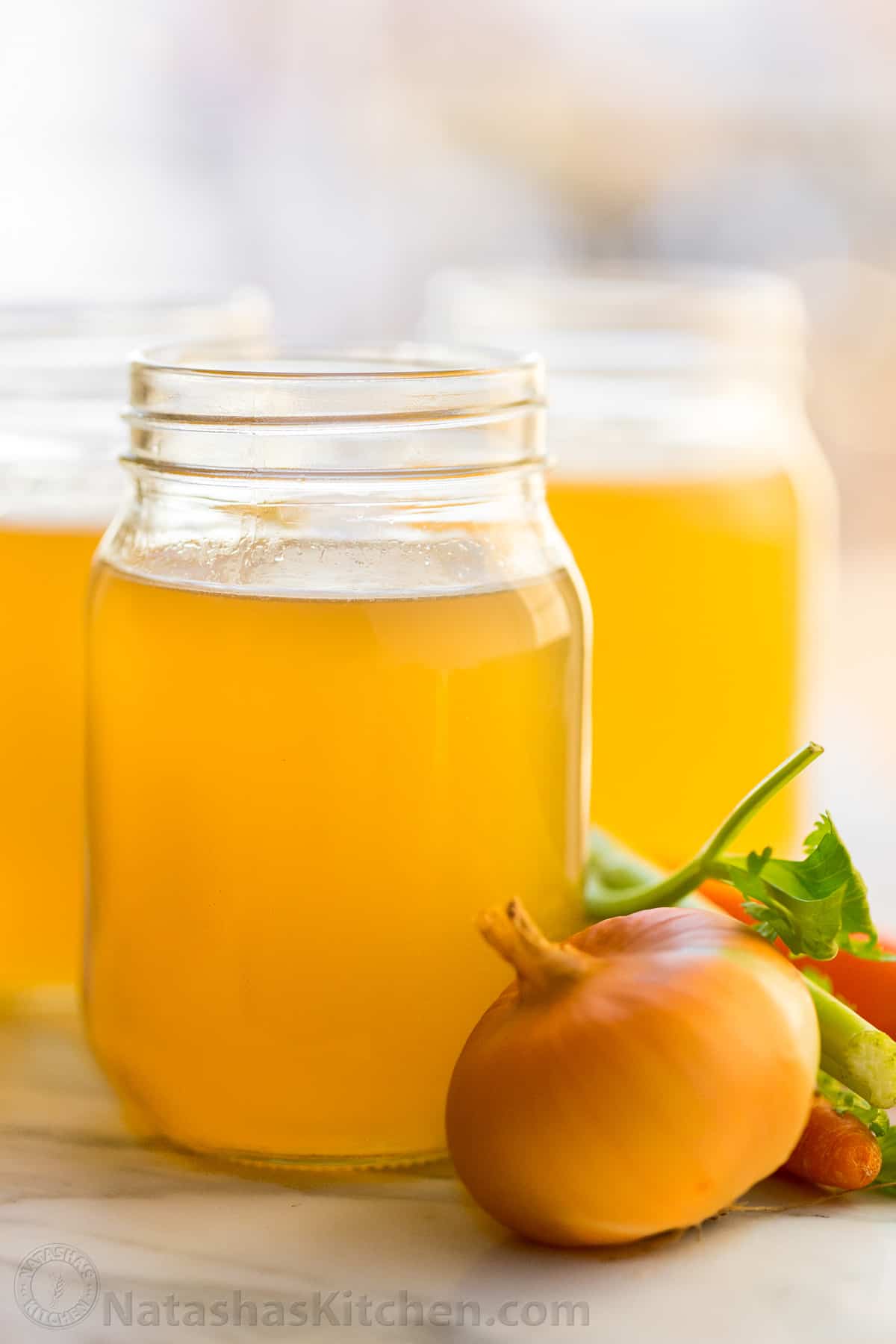
Imagine your kitchen filled with the warm, comforting aroma of a simmering pot, promising rich flavors for meals to come. This isn't just a fantasy; it's the delightful reality when you learn how to make chicken stock from scratch. Far more than just a culinary base, homemade chicken stock is a game-changer for any home cook, transforming everyday dishes into extraordinary culinary experiences.
While store-bought options offer convenience, they often fall short in flavor, richness, and even nutritional value, frequently loaded with excessive sodium and mysterious additives. Making your own stock is not only incredibly satisfying but also an intelligent, money-saving strategy that leverages ingredients you might otherwise discard. From giving a soulful depth to your soups and sauces to elevating simple rice and pasta dishes, homemade stock is the secret weapon every kitchen needs.
Why Bother with Homemade Chicken Stock? The Unbeatable Benefits
You might be wondering, "Is it really worth the effort when I can just grab a box from the grocery store?" The resounding answer is yes, and here's why:
- Superior Flavor & Richness: There’s simply no comparison. Homemade chicken stock boasts a depth of flavor that store-bought versions can only dream of. It has a natural richness and body, often developing a pleasing gelatinous texture when chilled, a sign of its collagen content derived from bones – something rarely found in commercial products.
- Significant Cost Savings & Waste Reduction: This is where homemade stock truly shines as a thrifty practice. You can use chicken carcasses from a roasted chicken, leftover wings and necks, or even just bones from deboned chicken parts. Additionally, vegetable scraps like onion skins, carrot ends, and celery trimmings (often discarded) find a purpose, adding flavor without extra cost. It’s the ultimate zero-waste kitchen hack!
- Complete Control Over Ingredients: When you make your own, you dictate what goes in. No questionable preservatives, artificial flavors, or exorbitant amounts of sodium. This is particularly beneficial for those managing dietary restrictions or simply preferring wholesome, natural ingredients.
- An Aromatic Experience: The process of simmering stock fills your home with an incredible, comforting aroma that synthetic air fresheners can only imitate. It's truly a sensory delight and signals that something delicious is being created.
- Culinary Versatility: Homemade stock is the foundation for countless recipes. Use it as a base for hearty soups and stews, a luscious liquid for gravies and sauces, to cook grains like rice or quinoa, for braising meats, or even to add a subtle boost to mashed potatoes. Its pure flavor enhances everything it touches. For more inspiration, check out our guide on Homemade Chicken Stock: Make, Store, and Use in Any Recipe.
Gathering Your Essentials: Ingredients for Success
The beauty of making chicken stock lies in its simplicity and the use of humble, often leftover ingredients. Here's what you'll need to learn how to make chicken stock:
The Chicken Components:
Approximately 2 pounds of chicken parts are ideal for a good batch. Don't be shy about mixing and matching:
- Chicken Carcass: The backbone of your stock after a roast chicken dinner.
- Bones: Any leftover chicken bones work wonders.
- Wings, Necks, Backs: These parts are rich in bones, cartilage, and a little fat, contributing immense flavor and body to your stock.
- Chicken Feet (Optional): For an incredibly gelatinous and rich stock, add a few chicken feet. They're packed with collagen!
Aromatic Vegetables (Mirepoix):
These are the soul of your stock, providing a subtle, sweet, and savory base.
- 2 medium onions: Quartered or coarsely chopped. You can even include the skins for extra color and nutrients, just ensure they are clean.
- 2 medium carrots: Peeled and roughly chopped into large pieces.
- 2 stalks celery: Coarsely chopped. Don't forget the leaves; they add extra flavor!
Seasoning & Enhancements (Optional but Recommended):
- 15 whole black peppercorns: Whole peppercorns add a subtle warmth without making the stock cloudy like ground pepper would.
- 1 bay leaf: Contributes a delicate herbaceous note.
- Fresh herbs (e.g., parsley stems, thyme sprigs): These are fantastic additions, especially if you have leftovers from other recipes.
Water:
Good quality cold water is key. Enough to generously cover your ingredients in the pot.
Your Step-by-Step Guide: How to Make Chicken Stock at Home
Ready to unlock the secrets to truly flavorful stock? Follow these simple steps for a clear, golden, and delicious result:
- Prep Your Chicken (Optional Roasting for Deeper Flavor): Place your chicken parts in a large pot. For an intensified, richer flavor and a beautiful golden hue, we highly recommend roasting the chicken parts first. Spread them on a baking sheet and roast at 400°F (200°C) for 20-30 minutes until lightly browned. This step creates a wonderful depth through the Maillard reaction.
- Chop Aromatics & Load the Pot: While your chicken roasts or as you prepare it, coarsely chop your onions, carrots, and celery. Remember, these vegetables are for flavoring, not eating, so large chunks are perfectly fine. Add the chopped vegetables to the pot with the chicken.
- Add Spices & Water: Toss in the whole black peppercorns and bay leaf (and any other optional herbs you're using). Then, add enough cold water to cover all the ingredients by at least one to two inches.
- The Gentle Simmer: Place the pot on the stovetop and bring the water to a near-boil over medium-high heat. As soon as you see tiny bubbles forming and the water just beginning to agitate, immediately reduce the heat to the lowest setting. The goal is a gentle simmer, where only small bubbles occasionally break the surface. Allow the stock to cook at this low simmer for at least 2 hours, and up to 4-6 hours for maximum flavor extraction. Throughout the first hour, use a ladle or shallow spoon to skim off any foam or impurities that rise to the surface; this is crucial for a clear stock.
- Strain & Discard: Once your stock has simmered sufficiently, remove the pot from the heat. Carefully remove the large chicken pieces and vegetables using tongs or a slotted spoon. All their flavor has been extracted, so you can discard them. Strain the liquid through a fine-mesh colander or a sieve lined with cheesecloth into a clean container. This will catch any remaining small solids, ensuring a pristine stock.
- Cool Down Safely: Cooling your stock properly is vital for food safety. Allow the strained stock to cool at room temperature for no more than 2 hours. To speed up cooling, you can place the pot in an ice bath in your sink. Once it has cooled down sufficiently, refrigerate it overnight.
- Skim the Fat: After refrigerating overnight, the fat will have solidified on the surface, making it easy to remove with a spoon. This step yields a beautifully clear, low-fat stock.
Maximizing Flavor & Clarity: Expert Tips
Beyond the basic steps of how to make chicken stock, a few expert insights can elevate your homemade batch from good to truly exceptional:
- The Power of Roasting: Don't skip the optional roasting step! The browning (Maillard reaction) caramelizes the sugars and proteins in the chicken, adding unparalleled depth, color, and a roasted, savory dimension that simmering raw chicken simply can't achieve.
- Low and Slow is the Way to Go: Aggressive boiling emulsifies fats and causes impurities to mix back into the liquid, resulting in a cloudy, potentially greasy stock. A gentle simmer ensures clear stock and efficient flavor extraction without breaking down the proteins too quickly.
- Don't Overcrowd the Pot: Give your ingredients space. An overcrowded pot will take longer to come to temperature, may not simmer evenly, and can make skimming difficult.
- Resist the Urge to Salt: Do not salt your stock during the cooking process. Adding salt at this stage limits its versatility, as different recipes call for varying amounts of sodium. Season your dishes when you use the stock.
- Skim Religiously: The foam that rises to the surface during the initial simmer contains impurities. Skimming it off leads to a clearer, cleaner-tasting stock.
- Never Press the Solids: After simmering, resist the temptation to press down on the cooked chicken and vegetables to extract every last drop. This will push undesirable particles and cloudy elements into your stock.
Storing Your Liquid Gold: Homemade Chicken Stock
Now that you've mastered how to make chicken stock, proper storage ensures you always have this liquid gold on hand:
- Refrigeration: Your homemade chicken stock will keep in an airtight container in the refrigerator for up to 3-4 days.
- Freezing for Longevity: For longer storage, freezing is your best friend. Properly frozen stock can last for up to 6 months.
- Containers: Pour cooled stock into freezer-safe containers (like deli containers or mason jars, leaving headspace for expansion).
- Freezer Bags: For space efficiency, pour stock into freezer-safe bags, seal, and lay flat on a baking sheet until frozen solid. Once frozen, they can be stacked vertically.
- Ice Cube Trays: For small, recipe-thinning portions, freeze stock in ice cube trays. Once solid, pop the cubes out and transfer them to a freezer-safe bag. This is perfect for adding a touch of flavor to pan sauces, gravies, or sautéed vegetables.
- Label and Date: Always label your containers with the contents and the date to keep track of freshness.
Having homemade chicken stock on hand is truly like having a culinary superpower. Whether you're whipping up a quick weeknight meal or preparing a gourmet feast, its presence guarantees a depth of flavor that is simply unparalleled. For even more ideas on using your fresh batch, don't miss our comprehensive guide: Homemade Chicken Stock: Make, Store, and Use in Any Recipe.
Embracing the art of making your own chicken stock is one of the most rewarding culinary journeys you can embark on. It's a testament to savvy kitchen practices, a commitment to superior flavor, and a wonderful way to infuse your home cooking with warmth, richness, and undeniable deliciousness. So, gather your ingredients, set aside a few hours, and prepare to elevate your meals to a whole new level. Your taste buds (and your wallet!) will thank you.
